
Mariana Islands (Saipan, Rota, Guam)
Senhanom Cave (Rota Hole)
- Max depth24 m (79 ft)
- CertificationOpen water / no overhead
- Water temperature≈ 27–29 °C (81–84 °F), varies with the seasonestimated, no reports yet
Diving and fills
Dive here with
What it looks like
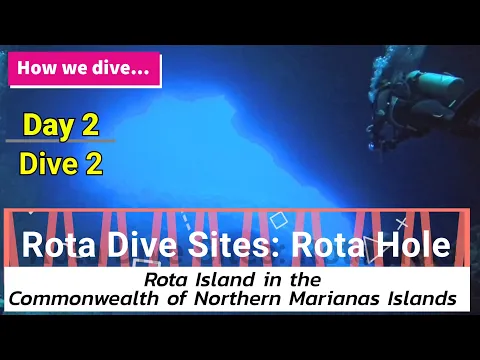
How we dive...Rota Dive Sites: Rota Hole-1st ROTA HOLE MelodeeSea - Diving the Rota Hole Light Rota Hole on 10th July 2017
All 4 videos and posts
Videos and posts
From other divers, via YouTube, Instagram and Facebook. They only load when you click; after that, Google's or Meta's privacy rules apply.
How we dive...Rota Dive Sites: Rota Hole-1st ROTA HOLE MelodeeSea - Diving the Rota Hole Light Rota Hole on 10th July 2017
Search for more onYouTube ↗Instagram ↗Facebook ↗
Other people's footage, not advice: how someone else dives here says nothing about what suits your team. Dive within your training.
The dive
Inside the grotto, sunlight falls through an opening in the roof as columns of light that change through the day: sometimes they hang like a curtain, sometimes they fan out.
Profile and sections
Inside the grotto, sunlight falls through an opening in the roof as columns of light that change through the day: sometimes they hang like a curtain, sometimes they fan out. In the light hang schools of redfish and bronze sweepers, sometimes with a lobster or two. Outside the grotto you see small fish found only in Micronesia and, with luck, a Napoleon wrasse.
It is Rota's best-known dive, the island's number one according to Blue Palms. The grotto has been the setting of award-winning underwater photographs, among them the first prize for best diver shot in the MVA/NMDOA diving photo contest of 2005, and of a Scubapro poster.
Practical: the light comes in from mid-February to late October, at its finest from early March to early October and strongest from April to September (Blue Palms).
- Depth and profile
- Entrance at ~12 m (40 ft); 9 to more than 24 m (30–80+ ft) according to Dive Rota, so plan for more than 24 m. Blue Palms gives a maximum of 18 m.
- Configuration
- Grotto with daylight through an opening in the roof: recreational gear with a torch and good buoyancy (estimate).
Who can dive where
- At least Open water / no overhead
- Configurations: Backmount / twinset / Sidemount / CCR / Small cylinders / no-mount (speleo sumps)
- Goes down to 24 m (trimix or deco may be needed)
This is how the planner decides who in your team may dive this cave. Rules your own trip adds (organizer, a mail, the AI) show with your trip.
How to get there
Boat dive (on a mooring or as a drift) off Rota's west side, only reachable from the water; most of Rota's sites are 10–15 minutes away by boat (Dive Rota). With one of the island's dive operators. Dive Rota rates it Advanced; according to the Marianas Visitors Authority it requires advanced diving skills, and Blue Palms asks for neutral buoyancy.
Around Senhanom Cave (Rota Hole)
FillsNo fill station known nearby
Going to the Mariana Islands with your team?
Marcel finds the sites that match your team's certifications.
Plan a trip