
Missouri (Ozarks)
Bennett Spring
- Max depth30 m (98 ft)
- CertificationCavern
- Water temperature≈ 13–14 °C (55–57 °F)estimated, no reports yet
Diving and fills
Dive here with
No dive centre guides here yet. Do you dive here with guests? Add your centre for free →
What it looks like
All 1 videos and posts
Videos and posts
From other divers, via YouTube, Instagram and Facebook. They only load when you click; after that, Google's or Meta's privacy rules apply.
Search for more onYouTube ↗Instagram ↗Facebook ↗
Other people's footage, not advice: how someone else dives here says nothing about what suits your team. Dive within your training.
The dive
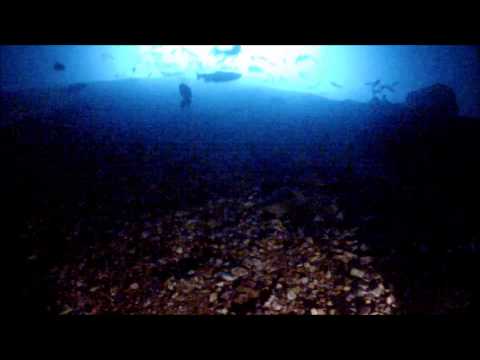
You walk into the spring pool and sink into a round hole, where fish such as trout and sculpins keep to the edge of the daylight and crayfish hide among the rocks.
Profile and sections
You walk into the spring pool and sink into a round hole, where fish such as trout and sculpins keep to the edge of the daylight and crayfish hide among the rocks. Further down the passage angles back towards the cave opening. At the bottom the water forces its way out of the 'popcorn room', where the force of the water sometimes makes the chert gravel boil up like popcorn. Visibility is normally unlimited; after rain the water turns chalky or milky.
With on average some 100 million gallons (about 380,000 m³) a day it is the fourth-largest spring in Missouri. It was first called Brice Spring, after the mill the Brice family built here in 1837, and later Bennett Spring, after the Bennett family's larger mill; the state bought the spring in 1924–1925 for a state park. The Ozark Cave Diving Alliance can only explore it in periods of extremely low rainfall.
Practical: from March to October the hatchery stocks trout every night for the anglers. In the catch-and-release season they fish only Friday to Monday, but at weekends anglers and onlookers gather at the pool; near the opening, keep off the bottom because of lost lures. On frosty days a tent and a heater at the pool help between dives.
- Depth and profile
- Plan for more than -30 m: one diver went deeper than 100 ft (ScubaBoard, 2007); the usual dive ends at about -26 m (85 ft) at the bottom, with the restriction around -24 m (80 ft) (OCDA, Just Gotta Dive) · a round hole ~15 m across to ~-9 m, then a passage sloping down at about 45° past a narrowing · only about 40 m (130 ft) of passage, one way in and out; the spring itself goes much deeper (Just Gotta Dive)
- Configuration
- The park admits certified open-water divers (Just Gotta Dive; according to a diver in 2014 no cavern or cave card is needed), but it is an overhead with a restriction in strong flow: count on cavern level (estimate). Single cylinder or sidemount; CCR possible (estimate, no source names configurations).
- DPV: Not DPV-suitable (estimate)
- Short passage (~40 m) in strong flow; a scooter makes no sense.
Who can dive where
- At least Cavern
- Configurations: Backmount / twinset / Sidemount / CCR
- Goes down to 30 m (trimix or deco may be needed)
This is how the planner decides who in your team may dive this cave. Rules your own trip adds (organizer, a mail, the AI) show with your trip.
How to get there
Bennett Spring State Park (26250 Highway 64A, about 19 km west of Lebanon). Diving only from November to February; free, but book a dive day well in advance with the park's Nature Center (+1 417 532 3925): one group of up to six divers a day, and weekends fill up first. At check-in the park checks your certification and goes over the rules; one of the group stays on the surface while the others dive. You park close to the spring pool and walk into the water.
Around Bennett Spring
FillsNo fill station known nearby
Other sites1 within 59 km
Going to Missouri with your team?
Marcel finds the sites that match your team's certifications.
Plan a trip