Greece combines sea caves with deep freshwater springs and a thermal lake, spread over Attica, the north-eastern Peloponnese and the islands. Near Athens lies the warm, deep thermal Lake Vouliagmeni, which you dive only with a permit; in the mountains of Argolida and Arcadia you find cold springs such as Sintzi and Kefalovrysos, and along the coasts of Korfos and Kynouria sea caves from intro-to-cave to full cave level. On the islands you dive the Great Cave of Lindos (Rhodes), the Elephant Cave near Chania (Crete), the spring cave of Karavomilos near Sami (Kefalonia) and sea caves on Zakynthos, Ithaca and Corfu, several of them from open water or cavern level. Nafplio is a central base, and for Vouliagmeni and Keratea you are better off staying in southern Athens; in Nafplio itself the Venetian Palamidi fortress stands on the hill above the old town.
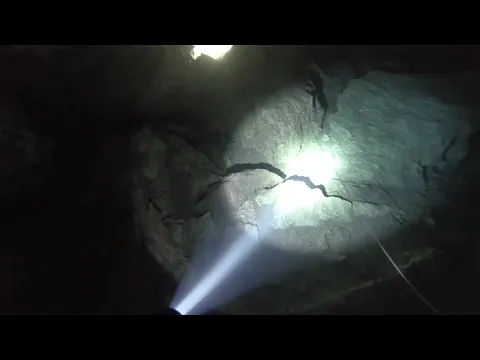
A sea cave with three chambers linked by narrow passages, its entrance at -37 m and down to 42 m; expect a lot of gear hauling and ~200 m underwater to the entrance.
Greek diving law is strict: always with a buddy, not in shipping lanes, military areas or marine protected areas, and a buoy when you dive more than 50 m from the boat.
You may not raise, move or photograph antiquities; report finds to the Port Authority. Caves and fossils are protected by a dedicated government service.
Lake Vouliagmeni has been closed to general diving since 1995. Cave diving is only allowed with a permit from the management company and under the supervision of an affiliated cave instructor, who arranges it for you.
Temperatures vary widely: 22–29 °C in Vouliagmeni, 13–21 °C in the sea caves and 10–12 °C in the mountain springs.
Tips for safe and enjoyable diving
There are no trimix or oxygen fills in the region. Arrange helium, oxygen and sofnolime in advance; the Greek teams dive the deep caves on CCR.
Sintzi and Kefalovrysos are at altitude: set your computer for altitude diving.
For the sea caves at Korfos and in Kynouria, arrange a boat with a local fisherman or skipper; ask at the harbour.
In an accident call 112 and DAN Europe (+39 06 4211 5685). The Naval Hospital of Athens has a diving and hyperbaric medicine unit.
Rest day: Lake Vouliagmeni is also a thermal bathing lake with warm water all year; snorkelling and freediving along the walls are allowed.
Estimates for planning, always check locally · Disclaimer
What it looks like
One video or post per cave; each cave's page has more.
PADI 5 Star centre on Laganas beach. Runs boats to the caves at Keri, with the National Marine Park of Zakynthos fee included; minimum Open Water and 4 logged dives, the centre picks the site on the day.
PADI TecRec centre in Agia Efimia, 5 minutes' drive from Karavomilos. Dives the Karavomilos cave (not in the packages, priced separately) and runs boats to the south-west coast of Ithaca. Supported the Greek and British teams at Karavomilos, Zervati and Hiridoni.
Twinsets (D12), stages (S80, S40), backplates, jet fins, 3 l cylinders for CCR, Sofnolime and scooters (Suex); for Amphitrite request at least 2 months ahead
SSI, SSI XR and rebreather (rEvo) centre at the Golden Beach Hotel on Chrysi Akti, since 2017. Runs daily trips on its own RIB to the Amphitrite cave and teaches SSI XR cavern and cave courses there; rebreather courses up to CCR Hypoxic Trimix. Cave dives are private or semi-private only, under the centre's own rules (see the cave). Airport and port transfers on request.
PADI 5 Star IDC on the Venetian harbour of Chania. Takes ~1 hour by boat to the Elephant Cave (two-dive trip, also to the Seal Cave); minimum Open Water and 4 logged dives. Also teaches tec courses.
PADI centre in Paleokastritsa (and Messongi), open 1 May to 30 October. Dives nine caves and caverns nearby, 5–20 minutes by boat, each with its own minimum level and number of dives. Also offers rebreather try dives and courses. Guides speak Dutch among other languages.
PADI centre on the coast at Pefkos, ~10 min from Lindos. Dives the Great Cave of Lindos by RIB (on Tuesdays), only with Advanced divers and after a first dive with one of its instructors. Also cavern and sidemount courses and PADI TecRec (Tec 40/45/50, April–June and October only). EANx €5 per cylinder (2026).
The links to Booking.com are affiliate links: if you book through one, DiveTripPlanner earns a small commission. You pay the same.
Practical info: rules, fills and emergency numbers
Emergencies
112; ambulance (EKAB) 166; Coast Guard 108; DAN Europe +39 06 4211 5685. The Naval Hospital of Athens (Ναυτικό Νοσοκομείο Αθηνών) has a diving and hyperbaric medicine unit; the naval hospital at Souda (Crete) has a recompression chamber (2016 source, current status unknown). After a diving accident call 112 and DAN first.
Access and rules
Diving law (3409/2005, amended by 4688/2020): always dive with a buddy; no diving in shipping lanes and anchorages, military exercise areas, marine protected areas, near submarine cables or where the Port Authority prohibits it. Do not raise, move or photograph antiquities; report finds and wrecks to the Port Authority. Wrecks older than 50 years and night dives only with a licensed dive centre. Dive flag on the boat; a buoy when you dive more than 50 m from the boat or without a boat. Law 4688/2020 also opened 'accessible underwater archaeological sites', accompanied dives only.
Caves: the Ephorate of Palaeoanthropology and Speleology (Ministry of Culture; Ardittou 34b, Athens) researches and protects caves and fossil remains. Lake Vouliagmeni has been closed to general diving since 1995; cave diving is only allowed with a permit from the management company (Thermal Loutra Vouliagmenis – Tourist Enterprises SA) and under the supervision of an affiliated cave instructor. Lake Melissani on Kefalonia may only be dived with permission from Athens. No permit rule is known for the other caves; Kefalovrysos is a drinking-water spring — check with the municipality.
Gas and fills
Gas: Paros Divers on Paros blends nitrox and trimix and supplies oxygen, 3 l cylinders for CCR and Sofnolime (helium: price on request). Otherwise no trimix or O₂ fill station is known in the region. Planet Blue in Lavrio (East Attica) is a recreational SSI centre with rental and a nitrox course; Blue Adventures in Chania fills air and nitrox; Aquatic on Kefalonia hires out cylinders. Arrange helium, O₂ and sofnolime in advance. The Greek teams dive the deep caves on CCR.
Water and season
Water: Vouliagmeni 22–29 °C (27 °C at -40 m); sea caves 13–21 °C (Korfos 13–16, Kynouria 18–19, Psatha ~21; Amphitrite on Paros 16 °C according to T2B, 17–19 °C according to Paros Divers); mountain springs 10–13 °C (Sintzi, Kefalovrysos, Polydrosos ~10, Kolethra 12, Ladonas 12–13). Sintzi (~700 m) and Kefalovrysos (~750–770 m) are at altitude: set your computer for altitude diving. Crete: sea 15 °C in January to 25–26 °C in August. Karavomilos and Zervati on Kefalonia ~14 °C, in summer too.
Getting around
The mainland caves are spread over Attica and the north-eastern Peloponnese; Drakos–Selinitsa lies apart, in the Messinian Mani near Agios Dimitrios. Three springs lie further north: Polydrosos at the northern foot of Mount Parnassos, Kolethra on Evia (over the bridge at Chalkida) and Ladonas near Lykouria in Achaia. Nafplio is central: Kefalovrysos, Sintzi, Korfos and the Kynouria coast are ~1–1.5 h drive away (estimate). For Lake Vouliagmeni, the Devil's Well and Keratea you are better off staying in southern Athens (~2 h from Nafplio, estimate).
Rhodes: the Great Cave of Lindos lies far from the rest, on Rhodes (Dodecanese). Fly to Rhodes (Diagoras airport) or take the ferry from Piraeus (overnight or longer). Stay in Lindos or Pefkos, ~50 km south of Rhodes town (~1 h drive, estimate); the cave is dived only by boat with a local dive centre. Sea at Lindos 17–30 °C over the year.
Crete: the Elephant Cave lies at Cape Drepano, east of Chania; Blue Adventures takes ~1 hour by boat from Chania harbour. The El Greco cave is dived from Mononaftis beach near Agia Pelagia, ~20 km west of Heraklion. Crete has airports at Chania and Heraklion.
Ionian Islands: on Kefalonia, Karavomilos, Zervati and Melissani lie close together near Sami; stay in Sami or Agia Efimia. Ferries run from Kyllini (Peloponnese) to Poros on Kefalonia and to Zakynthos, and from Patras to Sami. The caves at Keri (Zakynthos) and Paleokastritsa (Corfu) are dived by boat with a local dive centre; Achilleon on Corfu is open from May to the end of October. Sea caverns are plentiful along the Ionian coasts (Zakynthos, Kefalonia, Ithaca) and around Lindos on Rhodes; you dive them with a local dive centre.
Boats: the sea caves at Korfos and in Kynouria are dived from a local fisherman's or skipper's boat; ask at the harbour. The Amphitrite cave between Paros and Antiparos (Cyclades) is dived only from the boat of Paros Divers, at Golden Beach on Paros; the centre arranges airport and port transfers on request.
Rest day
Rest day: Lake Vouliagmeni is also a thermal bathing lake with warm water all year (paid entry); snorkelling and freediving along the walls and at the cave entrance are allowed. On Kefalonia you can take a small boat across Lake Melissani.
News
News articles that mention one of the caves in this region, collected automatically and not checked by us.
Access and rules change: check what applies locally right before your trip. Source: GDELT Project and the news feeds of diving magazines.
Searched automatically, last on 22 Nov 2026.
Plan a cave diving trip: Greece
Enter your team, with certifications, gas and configurations, and see right away which caves fit. With driving times from your stay, fill stations and an AI instructor who thinks along.